To truly understand someone, you must place them inside time.
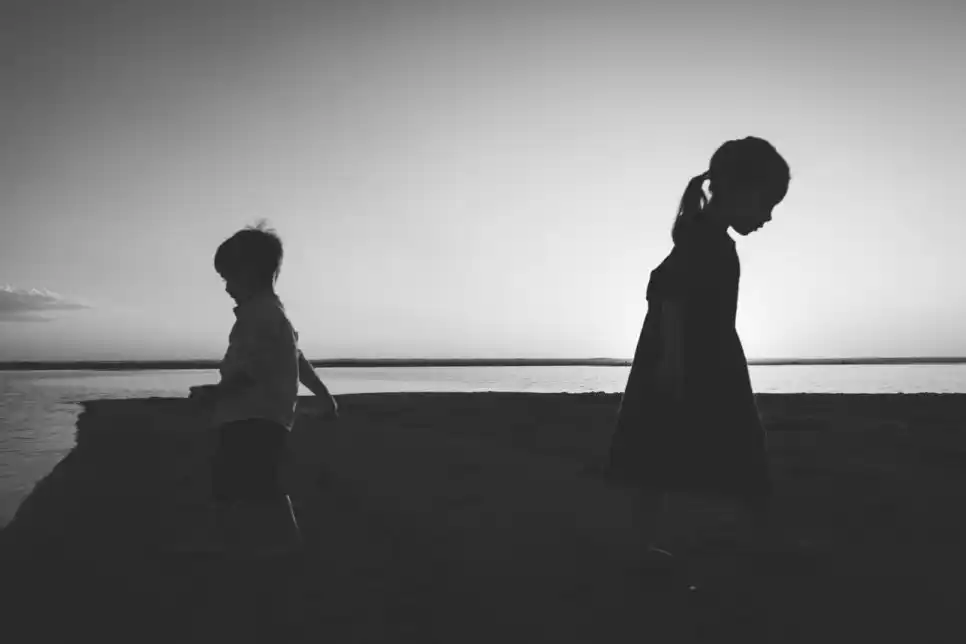
Many people become truly themselves for the first time only after they begin to deny their parents. There is something inherently cruel in growing up—
A child can only become a self by slowly stepping out of the shadow cast by those who raised them. And so, maturity often begins with:
- de-idealizing one’s parents
- questioning them
- drawing boundaries
- insisting upon difference
Without this separation, a person can rarely complete the formation of their own identity.
And yet this also means: the more deeply parents love their children, the more acutely they may feel a slow and quiet abandonment as those children grow.
When children are young, they admire you, depend on you, imitate you. But adolescence arrives, and suddenly they become desperate to answer a new question:
Who am I?
So they instinctively resist the previous generation. They emphasize difference. They build their own system of values.
The first time I truly felt this sense of “being left behind” was after my child turned twelve. He began to resist sleeping next to his parents. It wasn’t a quarrel, nor was it indifference; it felt more like a natural instinct—a person slowly transforming from a “child” into “himself.”

Sometimes, only by denying their parents can they finally convince themselves that “you” and “I” are separate lives. It is not a failure of love or gratitude.To become oneself is, by nature, an act of separation. A child growing up is also a child gradually moving away.This is one of the quiet inevitabilities of being human.
What makes the parent-child relationship even more difficult is that parents often understand their children through years of watching. They have seen them fragile, small, frightened, defeated. They have witnessed desires before they had language, and dreams before they had shape.
But a child’s understanding of their parents is usually missing one essential thing:
time.
What children first notice are their parents’ tempers, control, limitations, anxieties, repeated lectures. What they cannot yet see is that the person standing before them has been slowly carved by decades of life.
They do not see the ideals their parents once carried in youth. They do not see how reality gradually wears a person down. They do not see the fears hidden beneath responsibility, nor the compromises concealed beneath composure.
Because to truly understand someone, you must place them inside time.

And young people rarely possess enough life yet to do that.
So many only begin to understand their parents after:
- getting married themselves
- raising children themselves
- experiencing failure themselves
- carrying responsibility themselves
Until one day, they suddenly realize that their parents were never omniscient adults. They were merely two imperfect human beings, struggling to hold life together as best they could.
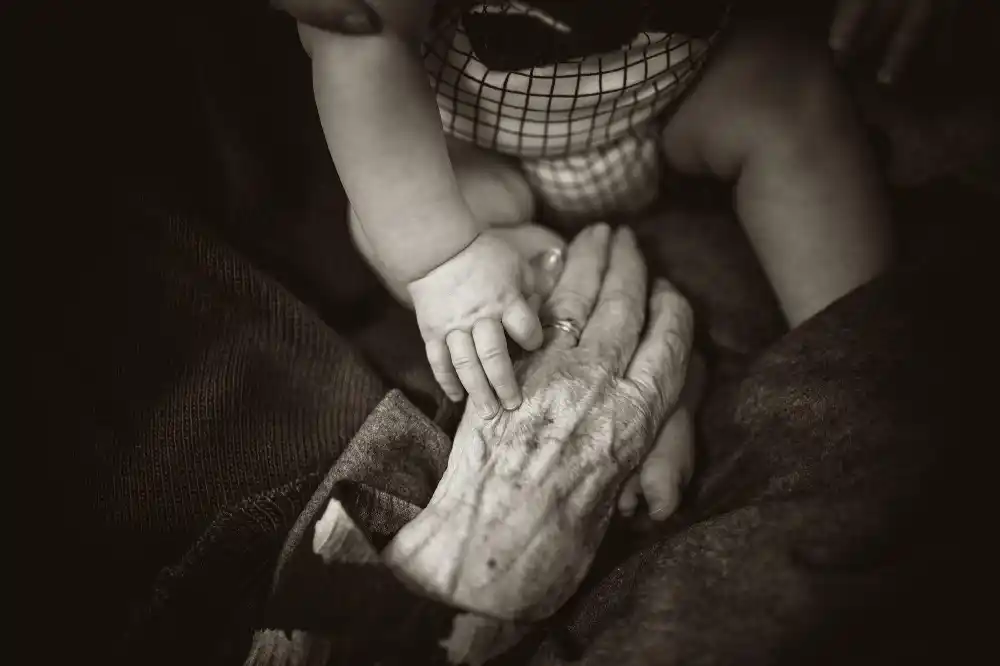
And thus a deeply sorrowful misalignment of time emerges.
When parents most long to be understood, their children are still incapable of understanding them. And by the time the children finally can, the parents are often already old.
Perhaps this is why there is such enormous silence inside so many families.
It is not that there is no love.Love does not automatically become understanding.
The deepest understanding between human beings requires time— and life, unfortunately, is short.
So for one generation to truly understand another may sometimes be even harder than the story of “High Mountains and Flowing Water.” Between friends, at least, mutual understanding can grow through shared interests, chosen ideals, and voluntary companionship.
But the relationship between parent and child is not born from choice.
It begins first with blood, obligation, authority, and generational distance—and only afterward attempts, slowly, to grow toward understanding.
And much of that understanding arrives too late.
Yet perhaps that is precisely why, when an adult finally begins to truly understand their parents, the feeling cuts so deeply. For the first time, they realize that their parents were never merely “mother” or “father” as roles—
they were people.
And sometimes, by the time one finally learns how to read one’s parents, only memory remains.

Perhaps that is precisely why, when many people revisit Big Fish years later, they truly realize that we may spend our entire lives waiting for that moment when we finally understand our parents.The deepest understanding of our parents often arrives only after time itself can no longer turn back.