Recognition reduced to labeling.
Differences between us are undeniable—be it in our innate talents, our passions, the soil in which we grew, or the very architecture of our minds. Some are born with an intuitive grace for mathematical abstraction; others possess an acute resonance with sound, an eloquent command of language, or a profound clarity of spatial intuition. Yet, for most, the true affliction is not a barren incapacity to learn, but rather the premature closing of the ledger on who they can become.
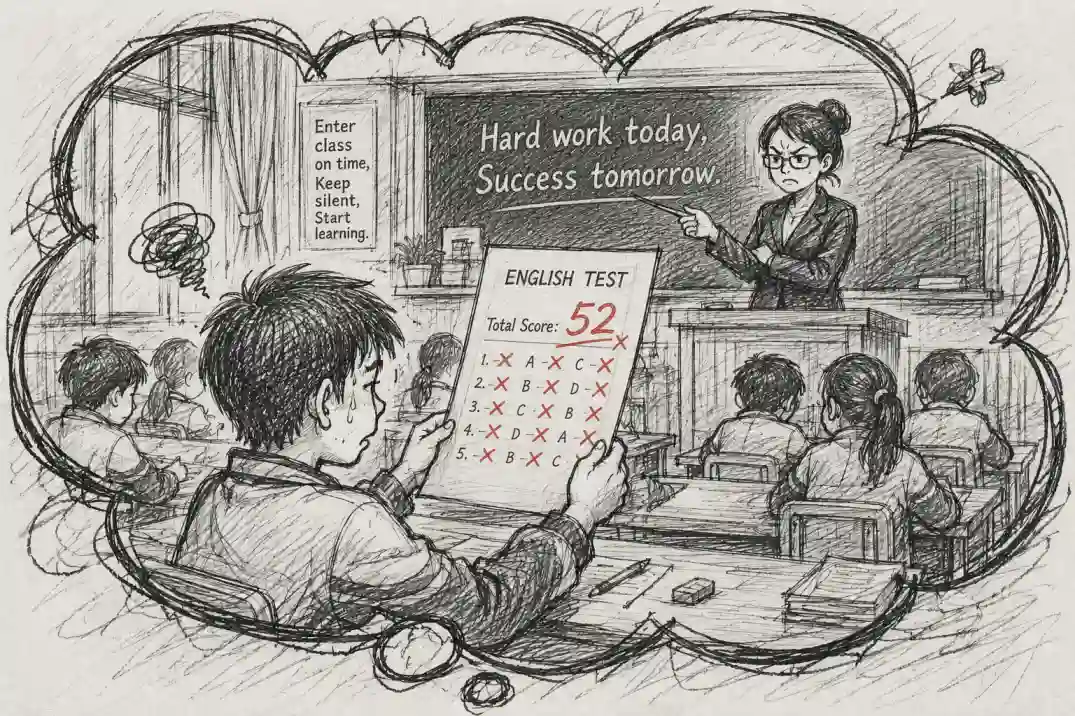
This is especially true within the confines of education, where a solitary failure, a fleeting humiliation, or a careless comparison can plant a quiet conviction in a child’s mind: this world is not for me. From that moment on, the mere sight of the subject triggers an instinctual armor—an involuntary reflex of anxiety, avoidance, and defense. It is only much later, as adults returning to these forgotten landscapes, that many discover with astonishment that what once seemed “forever beyond reach” was simply a threshold they had never truly crossed.
Most of us do not lose the faculty to learn; we lose the capacity to see the world anew. When curiosity falls dormant, the vividness of reality hardens into sterile categories: the world becomes a collection of labels, people are reduced to classifications, knowledge shrinks into mere conclusions, and language degenerates into slogans. In this twilight of awareness, “understanding” decays into nothing more than “recognition.” We encounter a word and mistake familiarity for comprehension. We glimpse a concept and instantly file it away. We hear an opinion and swiftly take a side.
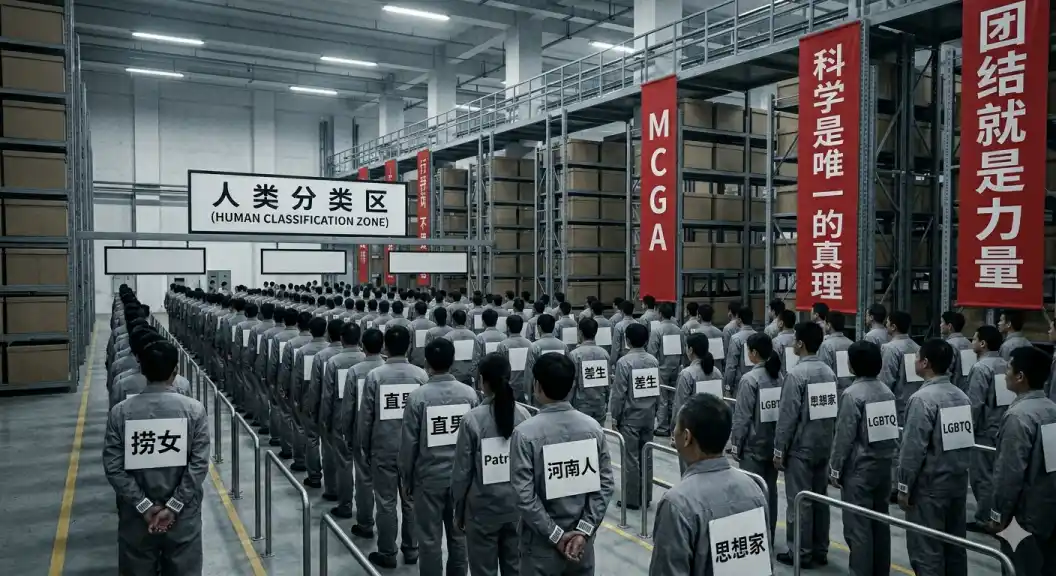
True understanding, however, moves in the absolute opposite direction. Rather than stripping the world of its complexity, it awakens us to a profound realization:
- That the world is a tapestry of intricate depths;
- That all things exist in a state of continuous, seamless flux;
- That the boundaries we draw are perpetually blurred;
- And that a single phenomenon can harbor a multitude of truths.
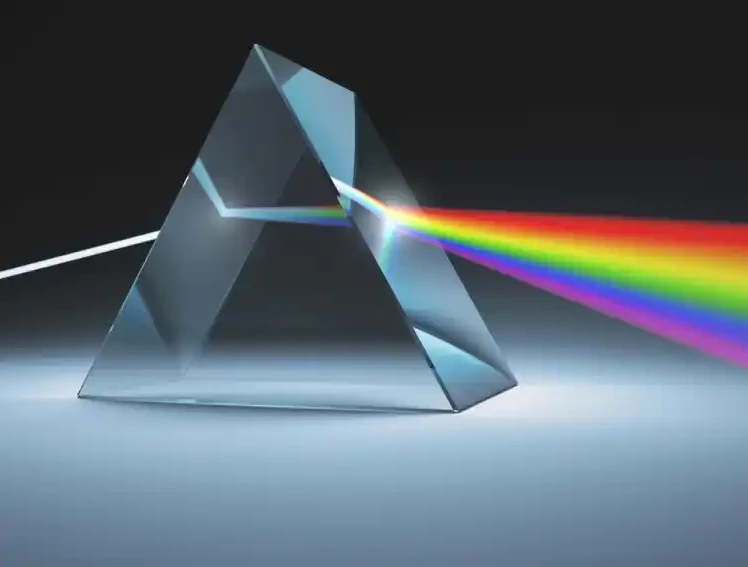
When true understanding dawns, arrogance yields to caution. A profound clarity reveals that much of what we once proudly called “knowledge” was nothing more than a superficial pairing of labels—mere nominal matching devoid of essence.
The Instinctual Armor of the Mind
We often flatter ourselves by believing that intellectual growth follows a clean, logical trajectory: encounter raw facts, accept them unconditionally, and seamlessly update our worldview. Yet, the human mind rarely operates with such crystalline purity.
Instead, our cognition follows a more defensive, intricate path:
We first construct a rigid model of the world. Then, we use this model as a prism to filter reality, distorting facts to fit our canvas, before making only the gentlest, most comfortable adjustments to our beliefs.
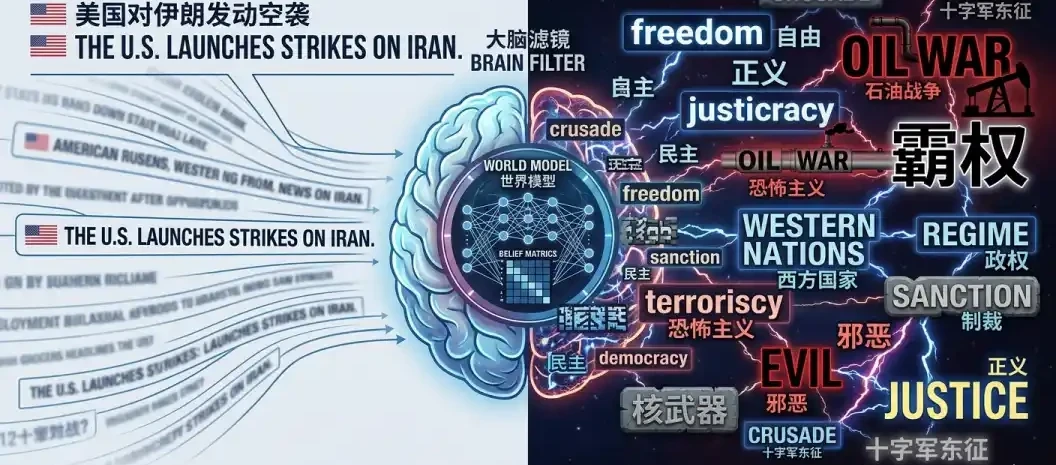
In the annals of scientific history, humanity’s stubborn adherence to geocentrism—and its fierce rejection of the heliocentric reality—stands as a profound testament to this very truth.
Psychology offers a clinical label for this: confirmation bias. Yet, the cognitive fortresses we build in reality are far more labyrinthine than any single term can capture. For our cognition is never merely a collection of detached opinions; it is an intricate web deeply intertwined with our:
- Self-esteem and inner worth
- Core identity and sense of self
- Tribal belonging and communal alignment
- Lived history and accumulated experiences
- Emotional wounds and unhealed traumas
- Long-cultivated architecture of cause and effect
Ultimately, when a revolutionary idea is rejected, it is rarely due to a flaw in its logic. Rather, it is because:
To accept it would shatter the foundational architecture through which a person interprets, validates, and survives their world.
It is deeply unsettling for parents to acknowledge that their well-intentioned guidance may have left lasting scars; for seasoned investors to admit the rules of the era have rewritten themselves; for those long entrenched in authority to concede they might have misread others; and for those tethered to a lifetime of concrete experience to naturally recoil from abstract theory.
To accept these truths is to pull the thread on a profound internal collapse. A shift in perspective does not merely alter an opinion—it demands an agonizing reinterpretation of one’s entire history:
- The reasons behind how one chose to live
- The motives driving past decisions
- The bedrock of former beliefs
- The wounds unwittingly inflicted on others
- The illusions through which the world was viewed
Thus, what people resist is rarely the weight of “new knowledge” itself. Rather, it is this:
New knowledge acts as a mirror, forcing a ruthless re-examination of their past.
This is a quiet, existential torment—one far deeper than the simple friction of learning something new.
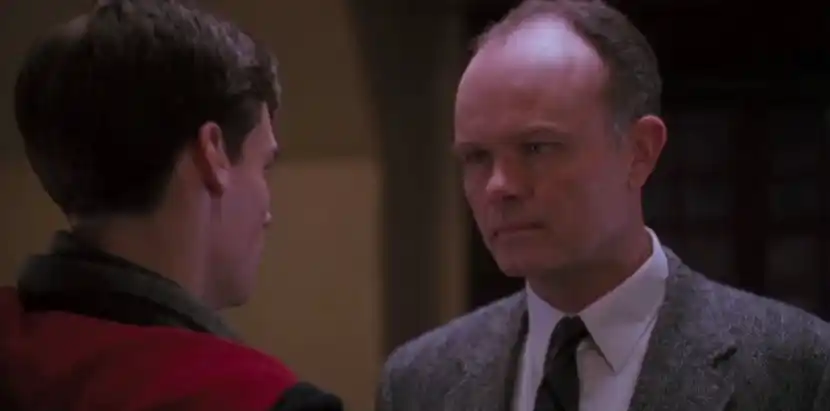
In Dead Poets Society , Neil’s father stands as a monument to tragedy. Wrapped in the unyielding conviction that medical school and blind obedience were the only paths to his son’s “well-being,” he did not merely dictate Neil’s future—he systematically dismantled his dreams.
When Neil’s life ended in suicide, the father did not turn inward to question his tyranny; instead, he cast the blame upon the teacher and the world outside. For him, introspection was an abyss too terrifying to face. To admit that his crushing expectations drove his son to the grave would mean the absolute annihilation of his identity. He would have to look in the mirror and see not a devoted father, but an executioner.
To survive himself, he chose to punish the teacher, clinging desperately to his old values to preserve the illusion of his own martyrdom. For a mind unable to bear the weight of its own guilt, projecting blame onto the world becomes the ultimate, desperate act of psychological survival.
Humans inherit the rules of survival from previous generations through education. To admit that these rules are flawed is to strip meaning from the joy and pain once endured in classrooms and under parental thumbs. That loss of meaning is the ultimate threshold, the hardest precipice for the mind to cross.
Further Reading